
TL;DR
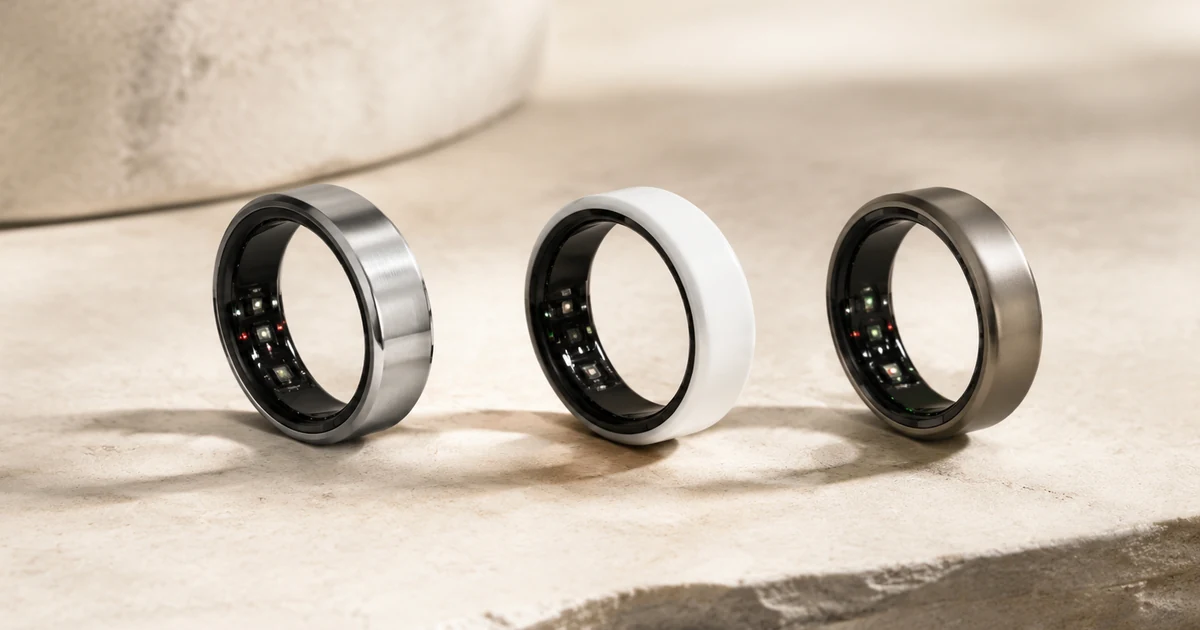
- Yawell’s public ring line spans stainless steel, ceramic, and titanium reference models.
- Material is not only look and feel. It affects tooling, finish options, weight, and sometimes RF/mechanical constraints.
- Map model first, then material. Do not move a waterproof or sensor claim across material families.
Why Material Choice Is an OEM Decision
Buyers often start with a finish preference: black steel, white ceramic, titanium silver. Factories start with a platform: mold family, antenna layout, charging geometry, and available size sets.
If you change material on an ODM base, treat it as a scoped change, not a free cosmetic toggle (customization layers).
Public Yawell Mapping
| Material family | Example public models | Buyer note |
|---|---|---|
| Stainless steel | R02, R08, R10 | Common ODM starting points; check finish and size set |
| Ceramic | R12 Ceramic | Separate waterproof report branches; keep claims source-bound |
| Titanium alloy | R20 | Premium positioning; no public waterproof report on site |
Category overview: Yawell Smart Ring.
How Buyers Usually Trade Off Materials
Use these as discussion prompts, not lab certificates or allergy guarantees.
Jewelry and wearable retail explainers commonly position titanium as lighter and often marketed as more skin-friendly for some wearers, and stainless steel as durable and cost-effective (retail jewelry guides such as Ohlala-style titanium vs stainless comparisons). Ceramic consumer rings are often marketed for hardness and color options; for OEM, cosmetic yield and process capability matter as much as the material name. Individual skin reactions vary, so do not turn retail “hypoallergenic” marketing into a medical claim.
| Topic | Stainless | Ceramic | Titanium |
|---|---|---|---|
| Market positioning | Volume and familiar metal look | Fashion / premium ceramic story | Lightweight premium metal story |
| Finish work | PVD and polish options common on metal lines | Color and surface process depend on ceramic process | Finish quality highly visible |
| Weight feel | Heavier than titanium in many designs | Depends on wall thickness | Often marketed for lighter feel |
| Cost band (typical market talk) | Lower relative tooling familiarity at scale | Process-driven | Higher relative material/process cost in jewelry marketing |
| Project risk | Broad supplier tooling familiarity | Yield and cosmetic rejects | Machining/finish cost and schedule |
Final feel and durability claims must stay inside what you can test and document for the chosen model.
What Changes When You Switch Material
Industry OEM notes and vendor editorials stress that material swaps are not always a free cosmetic option: molds, RF stack-up, and process windows constrain what can change (smart-ring material customization discussions; Yawell customization scope language).
- Tooling and NRE if the shell geometry or process is new.
- Sample loops for fit, color, and surface defects.
- RF and mechanical re-check if wall thickness or conductivity path changes.
- Water evidence if seals or stack-up change. Never reuse another model’s report.
- Unit cost and MOQ for the new configuration (MOQ guide).
Model Notes (Source-Bound)
- R02 / R08 / R10: stainless lines with different charging approaches and report files where published.
- R12: ceramic model; if you discuss water, open its two separate report links and do not merge them (R12).
- R20: titanium alloy model on the public catalog; no public waterproof report, so do not invent water marketing (R20).
- R04S: not a water-claim model on the public site.
RFQ Checklist for Materials
- Preferred material family and finish references (physical swatches help).
- Base model candidates.
- Size run required.
- Any water or drop claim targets (with honesty about evidence).
- Target first volume.
FAQ
1. Can I put a titanium look on any ODM base?
Not always. Geometry, weight, process, and antenna design may force a different platform or an OEM-class change.
2. Is ceramic always more premium?
Positioning is brand-led. Process capability and cosmetic yield matter as much as the material name.
3. Does material change the app?
Usually not directly. App path still follows the software project (app customization).
Next Step
Shortlist one stainless, ceramic, or titanium base, then request samples and a written configuration quote.
Request a quote. Related: OEM/ODM service, customization map, IP68 vs 5ATM.