
TL;DR
- Mass quality is a system: incoming checks, in-line tests, final sampling, traceability, and (when needed) third-party inspection.
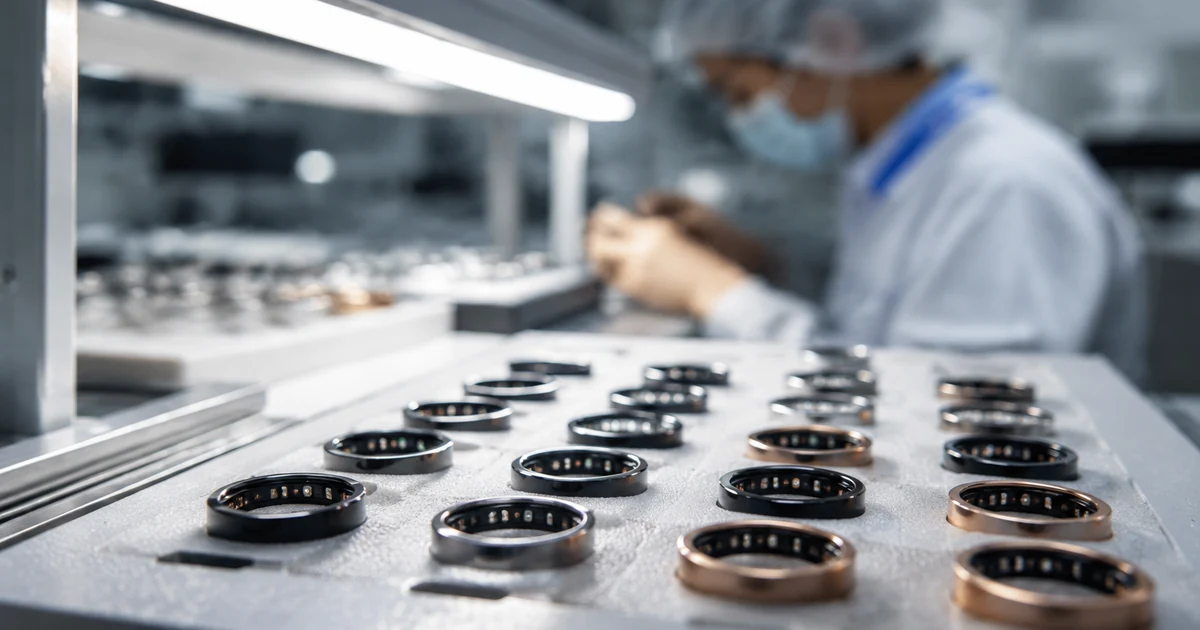
- Yawell’s public FAQ: production includes incoming material inspection, in-line testing, and final random inspection; third-party inspection can be discussed.
- A perfect sample without an AQL plan is not a production quality agreement.
Freeze Quality Before You Freeze Volume
QC fails when the only “spec” is a WhatsApp photo of a good sample. Write:
- Golden sample ID and sign-off date
- BOM revision
- Firmware version
- Cosmetic standard (photos + defect definitions)
- Functional test list
- AQL / sampling plan for the mass lot
Process context: manufacturing stages.
What AQL Means (and What It Does Not)
AQL (Acceptable Quality Limit / Acceptable Quality Level in common inspection usage) is used with sampling inspection plans, often under the ISO 2859 family, to decide whether a lot is accepted based on defects found in a sample (QIMA AQL guide; Eurofins AQL explainer). It is a statistical acceptance threshold, not a promise of zero defects on every unit.
Electronics factories commonly split work into IQC (incoming), IPQC (in-process), and FQC/OQC (final/outgoing) checks (manufacturing QC process glossaries). Map those stages onto your ring PO.
QC Stages Buyers Can Request
| Stage | What to request | Red flag |
|---|---|---|
| Incoming (IQC) | Checks for critical parts (sensor, battery, shell) | No incoming records |
| In-line (IPQC) | Functional stations and fail handling | Only end-of-line visual |
| Final (FQC) | AQL plan and sampling records | ”100% high quality” with no plan |
| Reliability evidence | Model-level reports where published | One SKU report used for all models |
| Outgoing (OQC) | Lot ID, packing inspection, shipment records | No lot traceability |
Suggested Smart Ring Functional List
Adapt to your model:
- Power on / charge indication
- Pairing smoke test on reference phones
- Wear detection / basic metric path if in scope
- Buttonless gesture or touch behavior if in scope
- Cosmetic inspection under agreed light
- Packaging completeness
Do not invent medical pass/fail criteria for wellness products.
Reports vs Lot Inspection
Published waterproof or safety PDFs support model claims. They do not replace lot sampling.
Water evidence rules still apply: keep model branches separate; R04S/R20 have no public water claims (IP68 vs 5ATM).
What Belongs on the Quote
- AQL or equivalent sampling reference
- Who pays third-party inspection
- Rework and failure handling
- Golden sample control
- Lead time after sample sign-off (MOQ guide)
Buyer QC Checklist (Copy)
- Golden sample signed
- Cosmetic limit samples agreed
- Functional test list attached
- AQL named for critical defects
- Firmware version frozen
- Packaging checklist frozen
- Lot ID format agreed
- Third-party inspection yes/no
FAQ
1. What AQL should I use?
It depends on risk and price. Inspection firms publish how AQL tables work under ISO 2859-style plans (QIMA; Eurofins). The non-negotiable part for buyers is that a number, inspection level, and defect classes exist in writing.
2. Can I skip IQC if the factory is trusted?
You can accept risk, but critical sensors and batteries are where silent substitutions hurt.
3. Does Yawell allow third-party inspection?
Public FAQ: third-party inspection can be discussed. Put timing and cost in the PO.
Next Step
Attach this checklist to your RFQ with model ID and target volume.
Request a quote. Related: factory audit guide, buyer checklist, OEM/ODM service.